
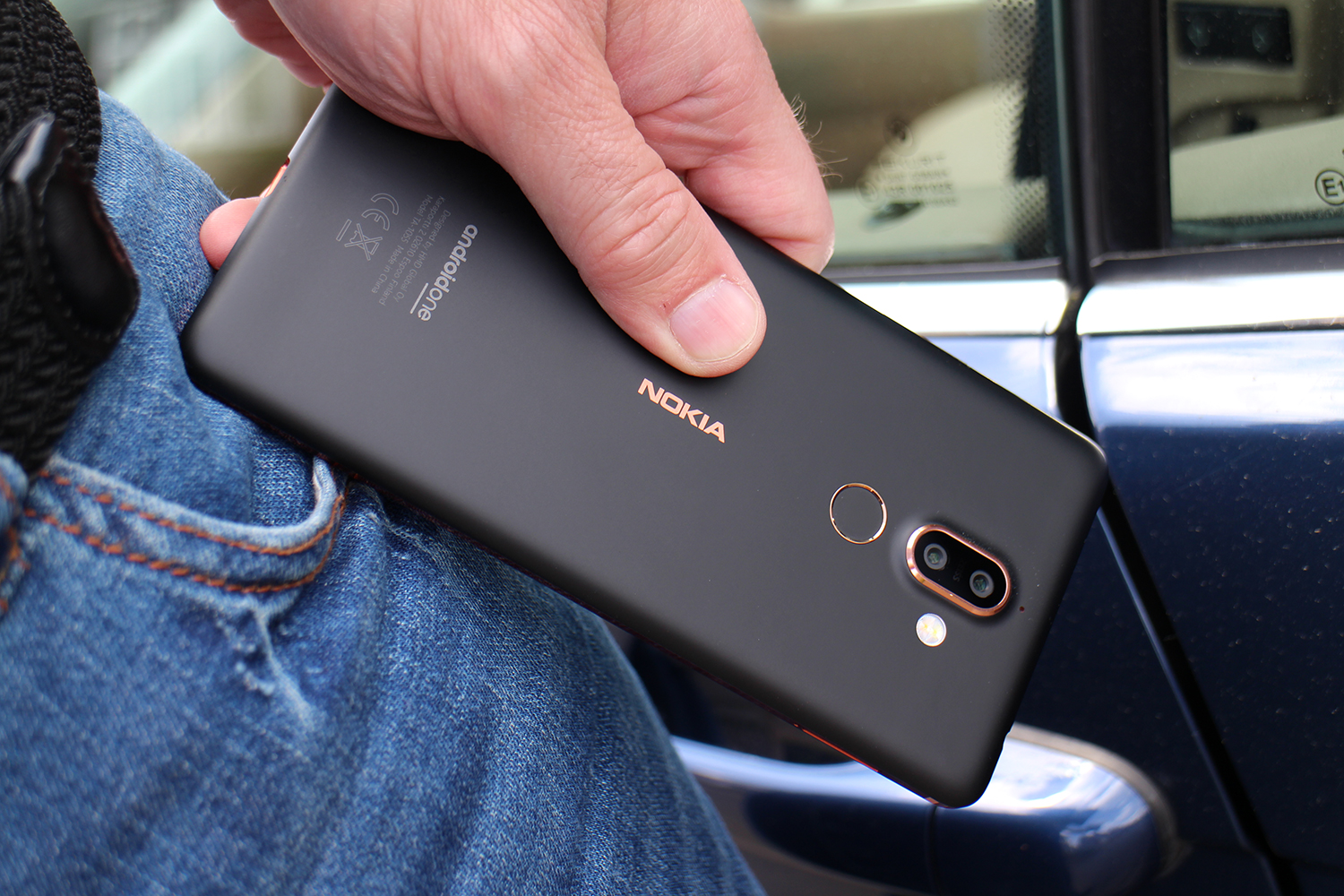
Nokia 7 Plus: The Comeback Kid That Still Delivers
Introduction
Remember the Nokia 7 Plus? In a world obsessed with the latest flagship, it’s easy to forget about the phones that quietly, reliably, just… worked. The 7 Plus wasn’t about flashy features or record-breaking specs. It was about delivering a solid, dependable smartphone experience at a price that didn’t require a second mortgage. But why are we talking about a phone that’s a few years old now? Because the Nokia 7 Plus, in its own way, is a testament to a different kind of innovation – the kind that prioritizes longevity, practicality, and a user experience that, even today, feels surprisingly relevant.
Think of the smartphone landscape as a fast-flowing river. New models launch every few weeks, promising the next big thing. But what happens when you step out of the current for a moment? You begin to see the value of those sturdy, dependable rocks that stand the test of time. The Nokia 7 Plus is one of those rocks. And in a world where planned obsolescence often feels like the norm, its continued relevance is a refreshing reminder that value can be found beyond the latest hype.
The Short-Term Buzz and the Long-Term Burn
When the Nokia 7 Plus launched, it wasn’t greeted with the fanfare of, say, a Samsung Galaxy or an iPhone. It received positive reviews, sure. People praised its build quality, its clean Android One software, and its impressive battery life. But the short-term impact was more about offering a compelling alternative to the mid-range competition. It gave consumers a well-rounded option that didn’t break the bank.
However, the *long-term* impact is where the real story lies. Consider this: how many phones from that era are *still* being used daily, reliably, and without constant complaints? That’s where the Nokia 7 Plus shines. Its solid construction meant it could withstand the bumps and bruises of everyday life. Its Android One software guaranteed timely updates, keeping it secure and functional long after other phones were abandoned by their manufacturers. And its balanced performance meant it could still handle most daily tasks without excessive lag or frustration.
The problem with constantly chasing the latest and greatest is the cycle of upgrades. Companies want you to believe your phone is outdated the minute a new model is announced. This constant pressure leads to unnecessary e-waste, financial strain, and a feeling of being perpetually behind. The Nokia 7 Plus, by sticking to the fundamentals, avoided this trap. It offered a phone that was “good enough” for a long time, proving that you don’t need to upgrade every year to stay connected and productive.
Solutions for Extending the Life of Your Device (Nokia 7 Plus or Otherwise!)
The Nokia 7 Plus’s lasting appeal offers valuable lessons about how to extend the life of *any* smartphone, saving you money and reducing your environmental impact. Here are some practical solutions you can implement today:
- Software Hygiene is Key: Just like a computer, your phone benefits from regular cleaning. Uninstall apps you don’t use. Clear your cache and data regularly. Disable auto-start for apps that don’t need it. A clean phone runs faster and consumes less battery.
- Example: Use the built-in storage manager or a dedicated app like CCleaner to identify and remove unnecessary files. Regularly check which apps are consuming the most battery and restrict their background activity.
- Embrace Cloud Storage: Smartphones are often overflowing with photos and videos, which quickly fill up storage and slow down performance. Utilize cloud storage services like Google Photos, Dropbox, or OneDrive to offload your media.
- Example: Set your camera to automatically back up photos and videos to Google Photos. This frees up valuable space on your phone and ensures your memories are safe if your phone is lost or damaged.
- Battery Care Matters: Batteries degrade over time, but you can slow down the process. Avoid extreme temperatures (leaving your phone in direct sunlight is a major no-no!). Don’t let your battery drain to zero frequently. And try to keep it between 20% and 80% charge most of the time.
- Example: Many phones now have battery optimization features. Enable these to limit background activity and extend battery life. Also, consider investing in a power bank for those days when you know you’ll be away from a charger for a long time.
- Protective Gear is Your Friend: A good case and screen protector are essential for protecting your phone from drops, scratches, and other damage. Prevention is always better (and cheaper) than repair.
- Case Study: A friend of mine dropped his brand-new phone on concrete without a case. The screen shattered. Had he invested in a $20 case, he could have avoided a $200 repair bill.
- Learn to Live Without the Latest Features: Resist the urge to constantly chase the newest features. Many older phones are perfectly capable of handling the tasks you need them for. Focus on functionality over novelty.
- Example: Do you *really* need that 108-megapixel camera if you mostly take photos for social media? Is 5G essential if you mostly use Wi-Fi? Be honest with yourself about your actual needs.
Alternative Approaches: When to Upgrade (and When Not To)
While extending the life of your existing phone is admirable, there comes a point where upgrading becomes necessary. Here are some factors to consider:
- Battery Life Degradation: If your battery is constantly running out, even after following the battery care tips above, it might be time for a replacement (or a new phone).
- Software Support Ending: If your phone is no longer receiving security updates, it’s becoming vulnerable to malware and other threats. This is a serious security risk.
- Essential Apps Not Working: If the apps you rely on are no longer compatible with your phone’s operating system, you’ll need to upgrade.
- Hardware Failure: If your screen is cracked beyond repair, or if other hardware components are failing, upgrading might be the most cost-effective option.
However, even when upgrading, you don’t have to jump to the most expensive flagship model. Consider a mid-range phone that offers a good balance of features and price. You might be surprised at how much performance you can get without breaking the bank.
Conclusion: Embracing a More Sustainable Smartphone Future
The Nokia 7 Plus isn’t just a phone; it’s a symbol of a more sustainable approach to technology. It proves that a well-built, well-maintained device can provide years of reliable service. By adopting the strategies outlined above, you can extend the life of your current phone, save money, and reduce your environmental impact.
Don’t let the relentless marketing of new smartphones dictate your choices. Take control of your technology and make informed decisions based on your needs and budget. Embrace the “good enough” philosophy. Prioritize longevity and functionality over fleeting trends. By doing so, you can contribute to a more responsible and sustainable smartphone ecosystem.
The Nokia 7 Plus may be aging, but its legacy of reliability and value lives on. It reminds us that the best technology is not always the newest or the flashiest, but the technology that serves us well, year after year. So, take a look at your current phone. Give it some love and attention. You might be surprised at how much life it has left. And remember, the most sustainable smartphone is the one you already own.