
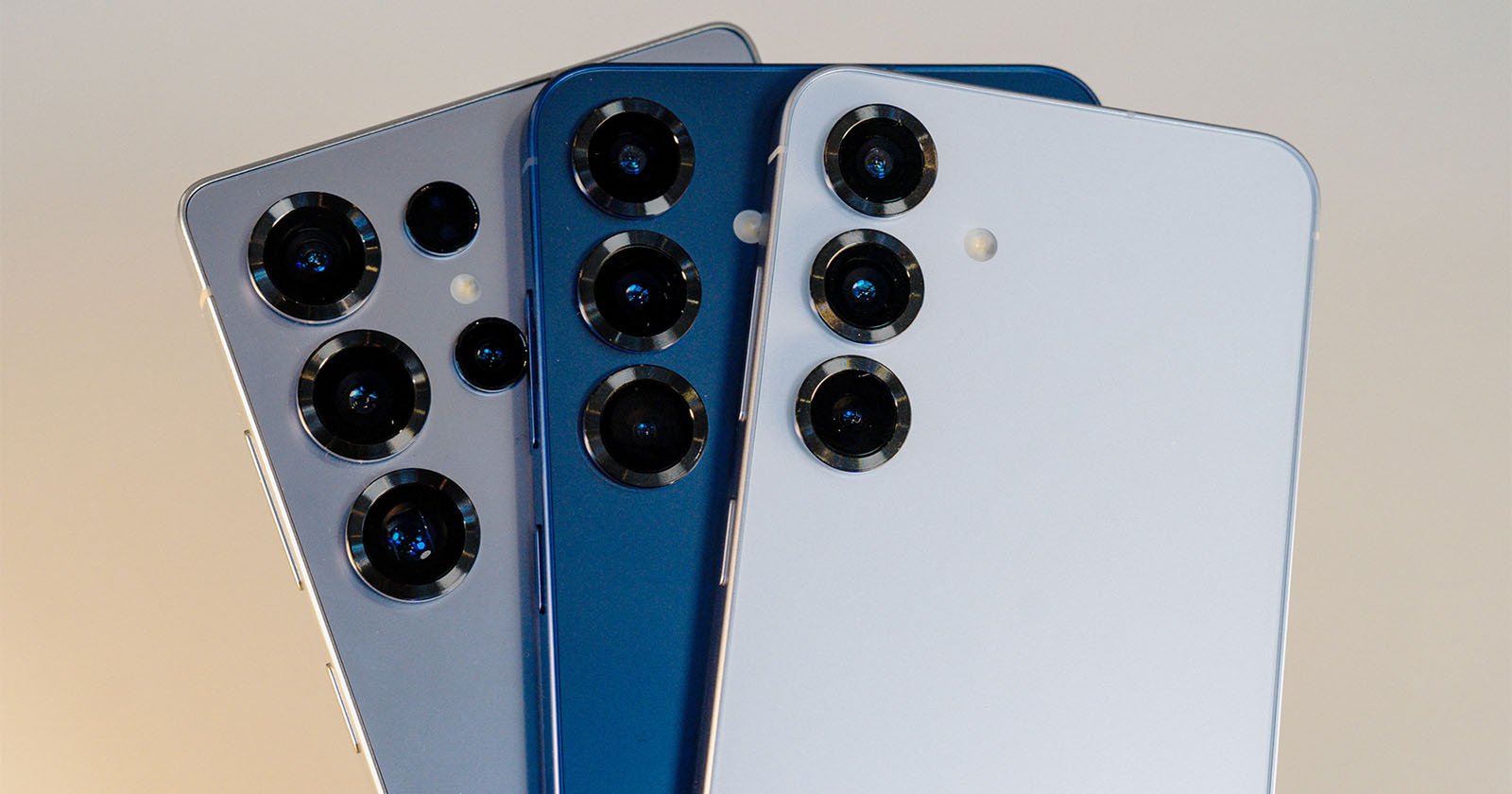
Samsung’s Gamble: Innovation or Imitation?
Introduction
For years, Samsung has reigned as a titan of the tech world. From groundbreaking displays to cutting-edge memory chips, the South Korean giant has consistently pushed the boundaries of what’s possible. But a nagging question lingers, a shadow that dances behind every shiny new gadget: Is Samsung truly innovating, or is it simply perfecting the art of imitation?
Think about it. How many times have you seen a Samsung device and thought, “That looks… familiar?” While they undeniably excel at refining existing technologies and packaging them into sleek, consumer-friendly products, the accusation of playing it safe – of prioritizing mass appeal over revolutionary invention – constantly resurfaces. This isn’t just about whispers in online forums; it’s a critical question with significant short-term and long-term consequences for Samsung’s future.
The Short Game: Profits vs. Perception
In the immediate term, Samsung’s strategy of iterative improvements certainly works. They consistently churn out popular devices, capturing substantial market share and generating impressive profits. Why reinvent the wheel when you can simply add a more comfortable grip, better tires, and a killer sound system? This approach minimizes risk and allows them to capitalize on established trends and technologies.
However, relying solely on imitation can erode consumer trust. Imagine repeatedly buying a Samsung phone expecting a revolutionary experience, only to find a slightly polished version of the previous model. Disappointment festers, and brand loyalty begins to wane. This can lead to customers jumping ship to competitors who are perceived as being bolder and more original, ultimately impacting short-term sales figures. Furthermore, consistently following trends rather than setting them makes Samsung vulnerable to being outmaneuvered by truly disruptive innovators.
The Long Haul: Stifled Growth and Competitive Decline
The long-term implications are even more profound. A company that constantly follows rather than leads risks becoming a technological follower, losing its competitive edge in the global market. Consider Kodak, a company that invented the digital camera but ultimately failed to embrace and drive its adoption, leading to its downfall. Samsung needs to avoid a similar fate.
Furthermore, a lack of genuine innovation can stifle internal growth. Talented engineers and designers may become disillusioned, seeking opportunities at companies where their creativity is valued and encouraged. A brain drain could leave Samsung struggling to attract and retain the top talent needed to compete in the increasingly competitive tech landscape.
Ultimately, focusing solely on imitation could leave Samsung vulnerable to being overtaken by companies willing to take bigger risks and invest in truly groundbreaking technologies. This could lead to a decline in market share, revenue, and ultimately, the company’s overall influence in the industry.
Navigating the Crossroads: Practical Solutions for a Brighter Future
So, what can Samsung do to shake off the “imitator” label and cement its position as a true innovator? Here are some practical solutions:
- Embrace Blue Sky Thinking: Samsung needs to allocate significant resources to research and development projects with no guaranteed return. This means fostering a culture that encourages experimentation, risk-taking, and even failure. Imagine a dedicated “moonshot” division tasked with exploring truly radical ideas, free from the pressures of immediate profitability. This could involve exploring emerging fields like advanced robotics, bio-integrated electronics, or sustainable energy solutions.
- Example: Look at Google’s “X” (formerly Google X) which has experimented with self-driving cars, internet-beaming balloons, and even wind energy kites. While not all projects are successful, this division has fostered a culture of innovation that has ultimately benefited Google as a whole.
- Foster Open Innovation: Collaboration is key. Samsung should actively seek partnerships with startups, universities, and other research institutions to tap into external expertise and accelerate innovation. This could involve investing in promising startups, sponsoring research grants, or hosting open innovation challenges to crowdsource new ideas.
- Example: Pharmaceutical companies often partner with biotech startups to develop new drugs and therapies. This allows them to access cutting-edge research and technologies without having to build everything in-house.
- Empower Internal Creativity: Samsung should actively encourage its employees to think outside the box. This can be achieved through internal innovation programs, hackathons, and dedicated time for employees to pursue their own creative projects. Providing employees with the resources and support they need to explore new ideas can unlock a wealth of untapped potential.
- Example: 3M’s “15% time” policy allows employees to spend 15% of their working hours on projects of their own choosing. This has led to the development of many successful products, including Post-it Notes.
- Diversify Product Portfolio: Samsung’s reliance on smartphones can be a risk. Expanding into new and emerging markets, such as AI-powered home automation, electric vehicles, or personalized healthcare solutions, can diversify revenue streams and position the company for long-term growth. This requires a willingness to invest in new technologies and business models, even if they initially seem unconventional.
- Example: Tesla started as a niche electric car manufacturer but has since expanded into energy storage, solar panels, and even artificial intelligence. This diversification has helped them become a leading force in the sustainable energy market.
- Prioritize User Experience, Not Just Specs: While impressive specifications are important, Samsung needs to focus on creating truly delightful and intuitive user experiences. This means paying attention to the smallest details, from the design of the user interface to the responsiveness of the device. A focus on user-centric design can help Samsung differentiate its products and build a loyal customer base.
- Example: Apple is known for its focus on user experience. Its products are often praised for their ease of use and intuitive design, which has helped them build a strong brand reputation and customer loyalty.
The Path Forward: A Call to Action
Samsung stands at a critical juncture. The choice between playing it safe and embracing true innovation will determine its future success. By fostering a culture of creativity, embracing open innovation, and diversifying its product portfolio, Samsung can shed the “imitator” label and solidify its position as a true leader in the tech industry.
The challenges are real, but the opportunities are even greater. By taking bold steps to prioritize innovation, Samsung can not only secure its own future but also shape the future of technology for generations to come. The time for action is now. It’s time for Samsung to gamble on innovation, and win. The future of the company – and perhaps even the future of technology – depends on it.